|  |
|
| |
|
| Missing In Action (MIA) | Prisoners Of War (POW) | Unexploded Ordnance (UXO) |
| Chronology | Locations | Aircraft | Ships | Submit Info | How You Can Help | Donate |
|
| RAAF No. 33 Squadron Former assignments Earl of Lovelace BANCo Guinea Airways Ltd. No. 24 Squadron 1 AD No. 36 Squadron 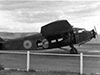 Betteridge 1942 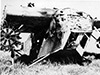 RAAF 1960s 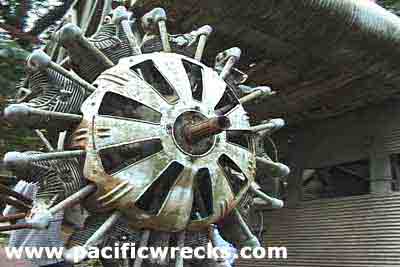 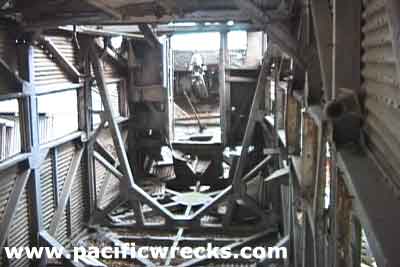 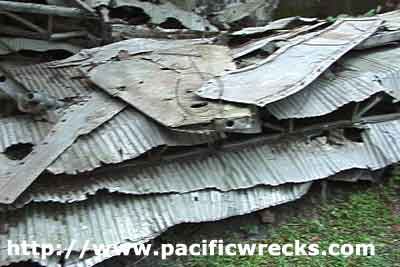 Justin Taylan 2000 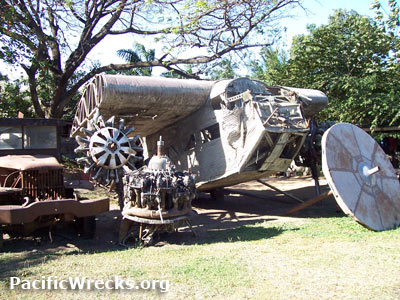  Daniel Leahy 2005 |
Aircraft History Built by by Stout Metal Airplane Division of Ford Motor Company in Dearborn, Michigan in 1929 as 5-AT-C Trimotor with 420hp Pratt & Whitney Wasp C radials with 420hp. Constructors Number 5-AT-60. On July 5, 1929 first flight in Dearborn. Purchased by the Earl of Lovelace in England then disassembled and shipped to the United Kingdom. On November 19, 1930 a U.S. export certificate of airworthiness was issued and that same month registered in the United Kingdom as G-ABHO. On December 20, 1930 a British certificate of airworthiness was issued and the plane was configured with nine passenger seats. On December 28, 1930 took off from Paris piloted by Captain C.D. Barnard on a flight with passengers on a hunting trip to Lord Lovelace's estate in Tanganyika (Tanzania). On January 1, 1931 crash landed in Tripoli and was badly damaged and passengers injured. Afterwards, shipped to the United Kingdom for repairs by Ford Motor Company at Ford Aerodrome in West Sussex. On November 27, 1933 purchased by British Air Navigation Co Ltd. (BANCo) and nicknamed "Voyager". This Trimotor operated from Heston Aerodrome as an airliner flying from routes from Heston-Paris-Le Touquet-Deuville plus Heston-Berck-Dieppe. Also hired to Jersey Airways for charter flights to the Channel Islands during tourist season. On September 18, 1934 retired from service and offered for sale. In October 1934 ordered by Guinea Airways Ltd. via aircraft dealers W.S. Shackleton Ltd. in London but shipment was delayed due to an Australian Civil Aviation Board review and was later approved with modifications including engine firewalls and adding an emergency exit. In May 1935 change of ownership to W.S. Shackleton Ltd. and the next month sold to Guinea Airways Ltd. and shipped ts cargo aboard SS Barrabool with Trimotor G-ABEF (later registered as VH-UDY). In September 1935 unloaded at Lae and transported to Lae Airfield for reassembly. The cabin roof was modified with a large removable hatch for loading and unloading large items. On October 7, 1935 took off from Lae Airfield piloted by Eric H. Chater, Guinea Airways Manager on a test flight. At the time, the plane had 555 hours and 20 minutes of flight time. On October 26, 1935 registered to Guinea Airways as VH-UBI in Australia and operated from Lae Airfield in New Guinea flying cargo and passengers. That same day an Australian certificate of airworthiness was issued for 9 passengers or cargo. During October 1936 the certificate of airworthiness was renewed in Lae. During December 1937 the certificate of airworthiness was renewed in Lae with a total of 1,085 hours 40 minutes. On July 21, 1938 during take off from from Eilogo Plantation near Sogeri pilot pilot Ken G. Garden with a load of rubber when the left engine failed causing the plane to swing off the runway into tree stumps that damaged the landing gear and tore off the right engine and bent three propeller blades, damaged the wing and compressed the fuselage. At the time of the crash, the plane had 1,861 hours of flight time. Afterwards, disassembled and moved by porters overland from Sogeri across the Kokoda Trail to the north coast then to Lae for repairs. Meanwhile, Guinea Airways purchased Ford 5-AT-B Trimotor NC9686 on December 16, 1938 and shipped from the United States to Lae. During the rebuild, most of the fuselage, undercarriage, tail fin, rudder and right wing were utilized. The only parts from the original aircraft that remained in use were the left wing and center Pratt & Whitney Wasp engine. Despite this, the trimotor retained VH-UBI as the registration. Wartime History On January 21, 1942 Imperial Japanese Navy (IJN) carrier aircraft strike Lae but this Trimotor survives undamaged. Afterwards, flown south to Australia arriving in early February 1942. On February 6, 1942 impressed into service with the Royal Australian Air Force (RAAF) as Trimotor serial number A45-1 with Trimotor A45-2 (VH-UDY). Afterwards painted with a RAAF roundel and dark upper surfaces with the serial number on the rear fuselage and photographed at Parafield Field. On February 16, 1942 assigned to No. 24 Squadron. On March 17, 1942 returned to Guinea Airways for overhaul and conversion into an air ambulance completed by July 24, 1942. On October 11, 1942 assigned to 1 Air Depot (1 AD). On October 31, 1942 assigned to No. 36 Squadron. On November 16, 1942 to No. 33 Squadron. This Trimotor was flown to Myola Airfield to evacuate Australian Army soldiers wounded fighting on the Kokoda Trail. Mission History On November 24, 1942 at Myola Airfield slipped on muddy ground and flipped upside down. On November 30, 1942 assigned to 15 Repair Salvage Unit (15 RSU) and converted to components by February 17, 1943 with the center engine removed. Afterwards, written off and abandoned. Wreckage The Trimotor remained upside down in situ until 1979. Recovery In 1979, the fuselage was recovered by the RAAF and brought to the PNG War Museum at Port Moresby. In 1980, the wings were also recovered and transported to the museum. Bruce Hoy recalls: "[The recovery to the US] was only an idea of Bill Chapman at the time of the AMPNG and Yesterday's Air Force collaborations in 1974. It never got past the thought stage. Almost came to a full stop in 1979 though due to misunderstanding of the local people when the RAAF dropped in to have a look at it first. The RAAF saw all these folk with shotguns, and they pissed off! I tried to re-assure them that that was normal with any village hunting party. Cost us a helicopter charter and then a flight across to Kokoda to sort things out." Display In 1979, this Trimotor was was displayed in the yard of the PNG War Museum in Gordon with the wings removed and stacked nearby. No restoration work was performed on the Trimotor. During 2015, moved to the National Museum and Art Gallery (NMAG) and displayed outdoors along the driveway to the museum. In 2025, moved into the Aviation Heritage Centre hangar. References RAAF Impressment Requisition 9024 RAAF Record Card - Airframes, Aero Engines, Mechanical Transport and Marine Craft - Ford Trimotor A45-1 ADF Serials - Trimotor A45-1 Pacific Aircraft Wrecks (1979) pages 61 (lower), 69 Ford Trimotors in Australia - VH-UBI (photos) Golden Years of Aviation - Civil Aircraft Register - United States Thanks to Bill Chapman, Bruce Hoy and Daniel Leahy for additional information Contribute
Information |
 Ford 5 AT  Photo Archive |
| Discussion Forum | Daily Updates | Reviews | Museums | Interviews & Oral Histories |
|